
Strength. Precision. Reliability.
Engineered for the toughest conditions.
High-Performance Pins & Bushings for Construction Machinery.
CORESPEX delivers precision-engineered pins and bushings designed to provide outstanding strength, wear resistance, and reliability in demanding construction, mining, and industrial applications.
01 — About CORESPEX
Precision engineering. Lasting performance.
CORESPEX is a brand of high-quality pins and bushings designed for construction, mining, and industrial machinery.
Our products combine carefully selected materials, precision CNC machining, and advanced heat treatment processes to deliver exceptional wear resistance, precise fit, and long-lasting performance, even in the toughest working conditions.
A
Selected materials
B
Precision CNC machining
C
Advanced heat treatment
02 — Product portfolio
Built to perform.
Product A — CORESPEX Pins
Maximum strength under heavy loads.
CORESPEX pins are made from carbon, alloy and case-hardening steels selected for the application, using precision CNC machining and the heat-treatment route the duty calls for.
A hardened running surface provides wear resistance, while the tough, resilient core helps withstand heavy loads, impacts, and sudden stresses.
| Parameter | Specification |
|---|---|
| Material | Carbon, alloy and case-hardening steels — selected for the application |
| Grade examples | C45 / C45E, 42CrMo4, 34CrNiMo6, 16MnCr5 / 20MnCr5 |
| Condition, surface hardness and case depth | Specified by material, heat-treatment route and drawing |
| Manufacturing | Precision CNC machining |
| Finishing | Optional precision grinding |
| Protection | Anti-corrosion treatment |
Grade examples: C45 / C45E is a medium-carbon steel; 42CrMo4 is a chromium-molybdenum steel for quenching and tempering; 34CrNiMo6 is chosen where higher strength and toughness are specified; 16MnCr5 and 20MnCr5 are case-hardening steels. Designations from different standards are not exact synonyms — grade, condition, surface hardness, case depth and dimensions are defined by the drawing and duty.
Example configuration — induction-hardened steel pin: surface hardness 50–58 HRC, hardened layer depth 3.0–3.5 mm. These values describe that configuration only and do not apply to every material or route.
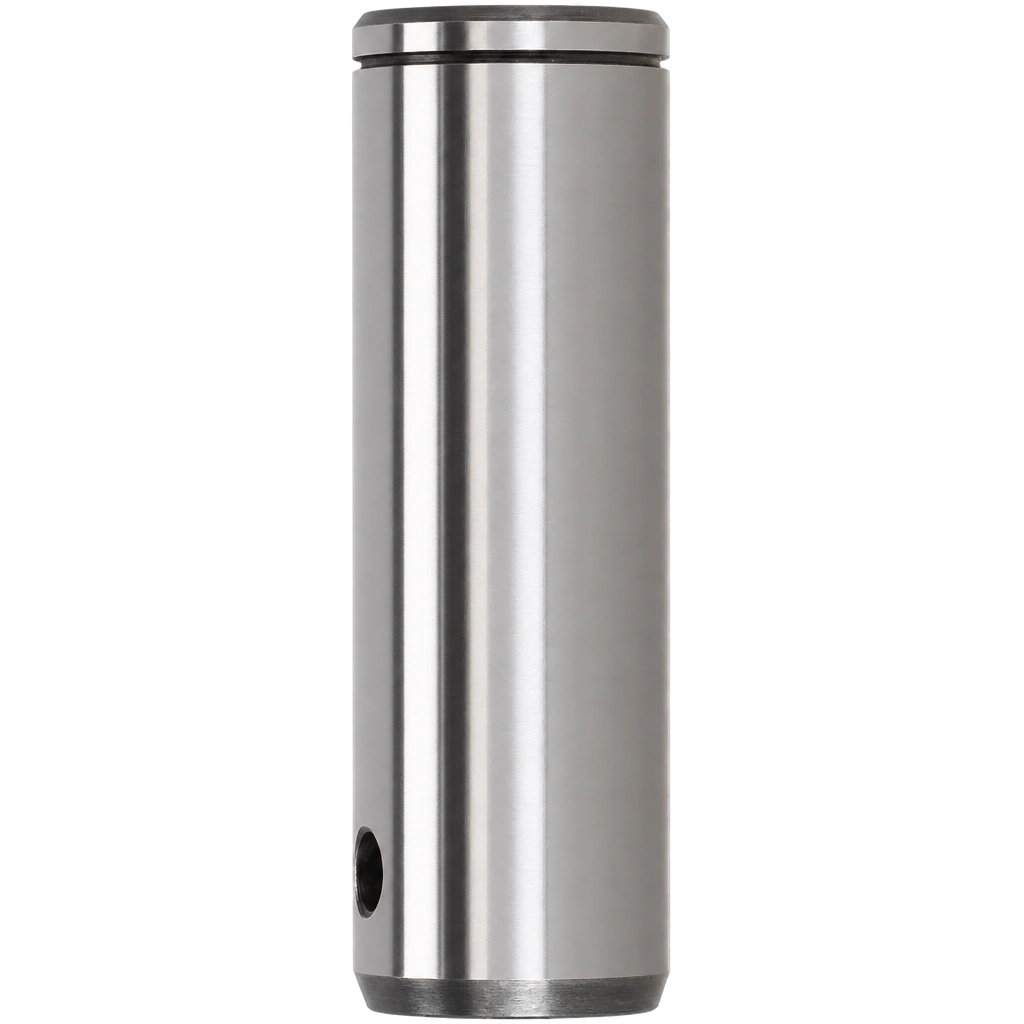
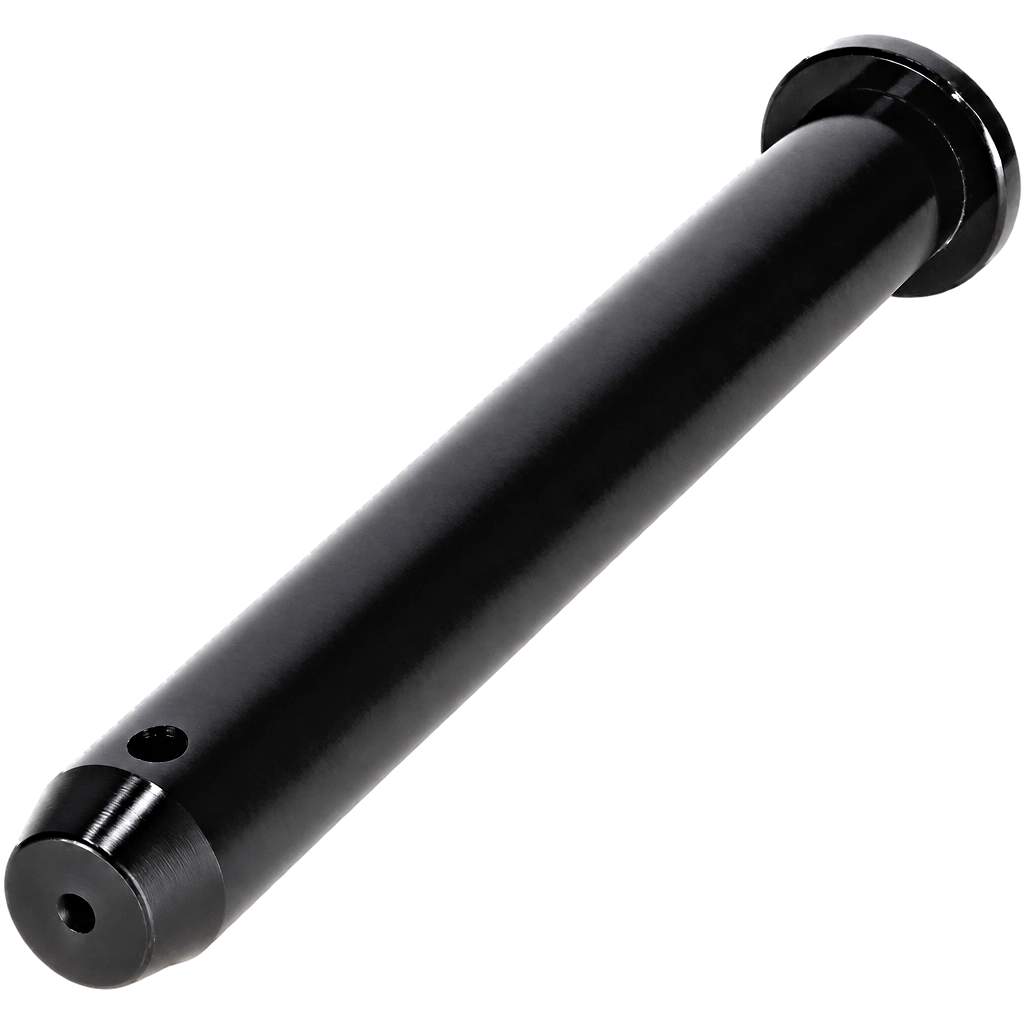
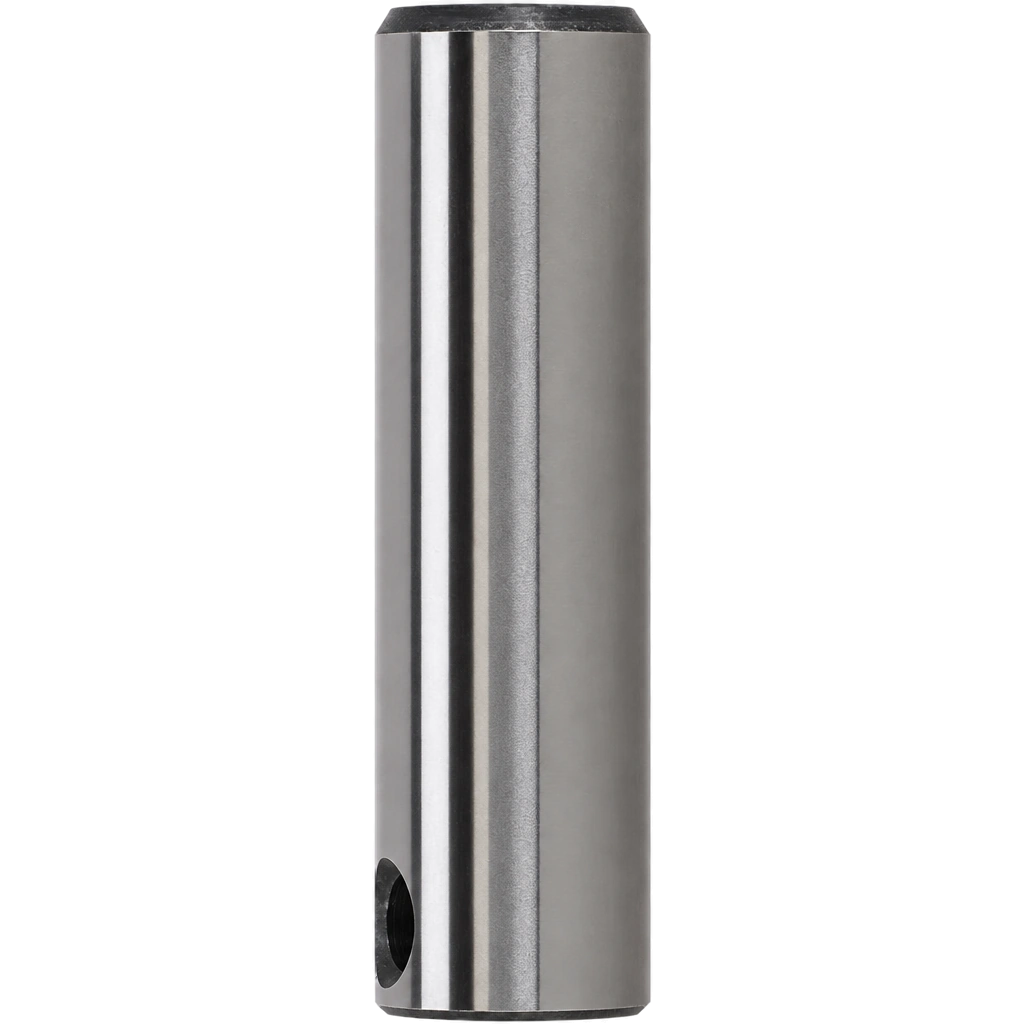
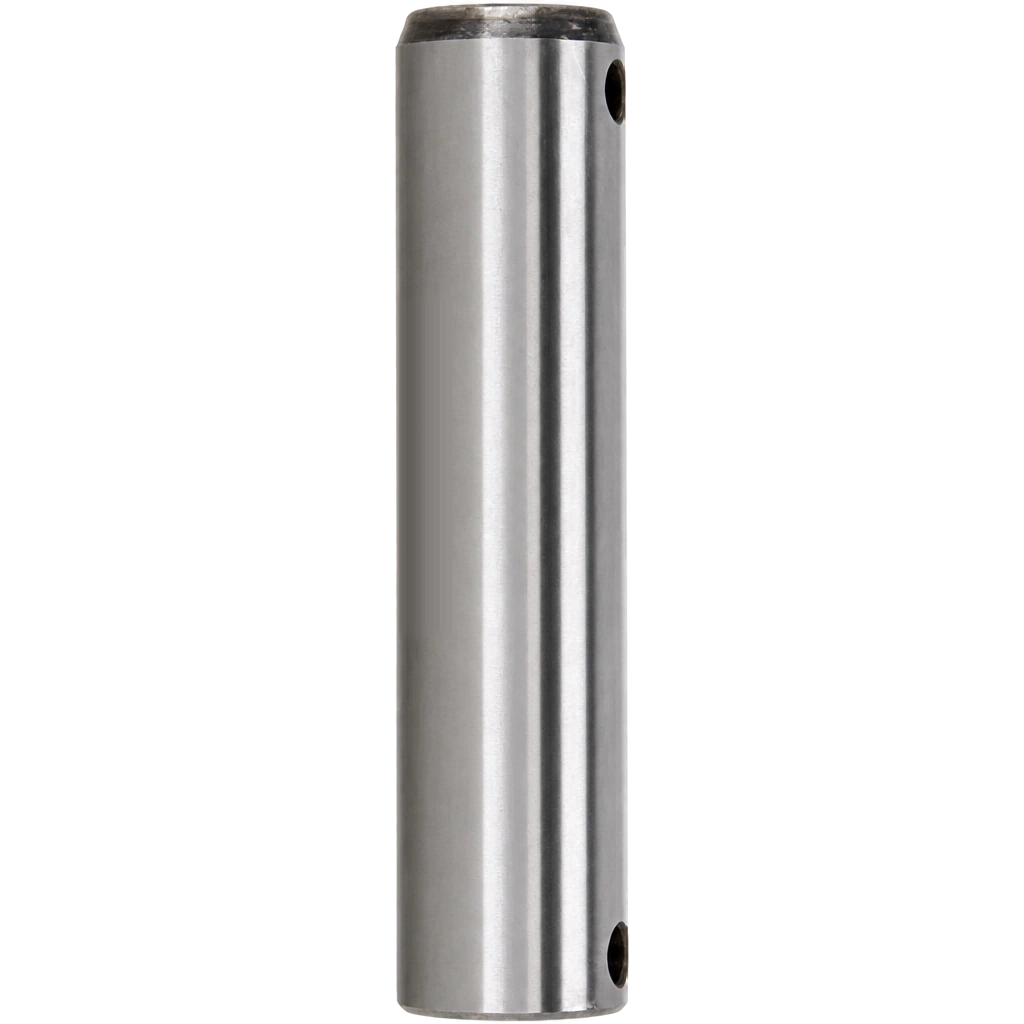
Pins — selected photographs
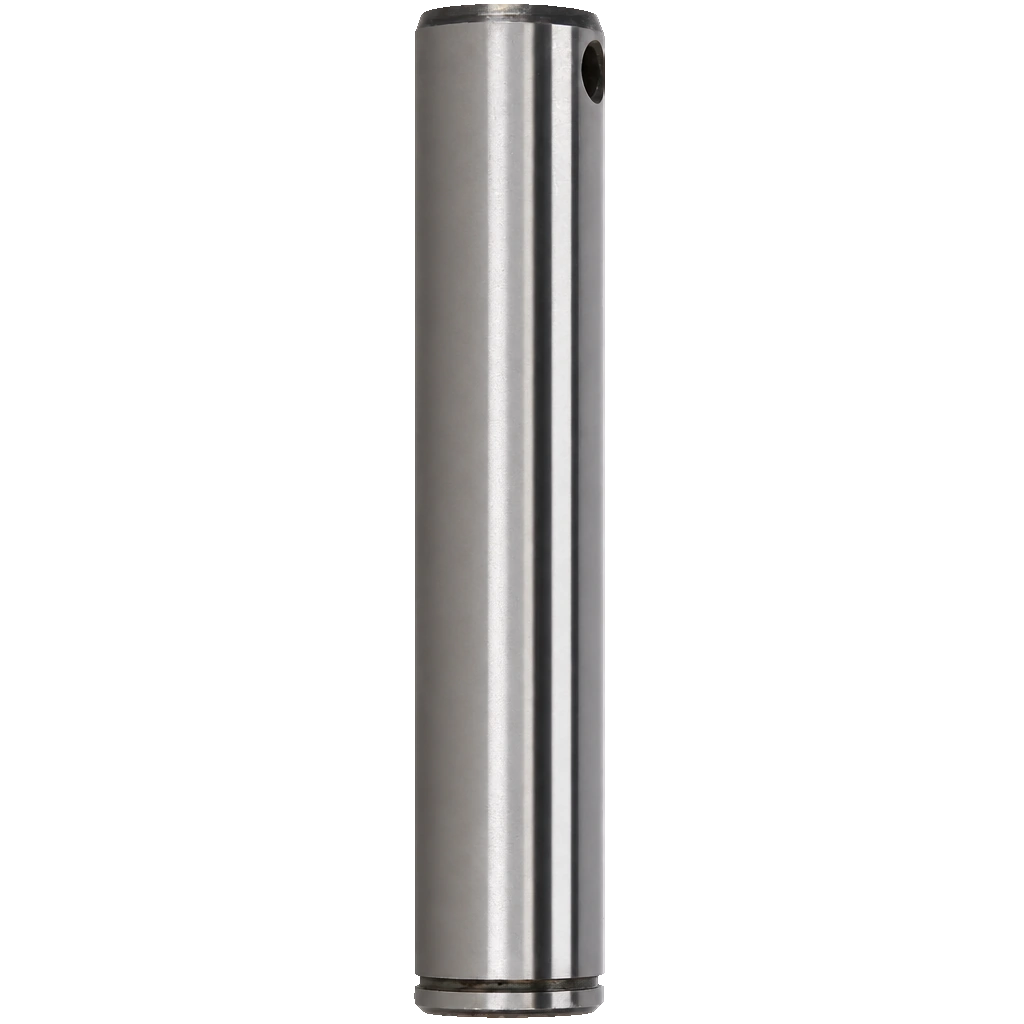
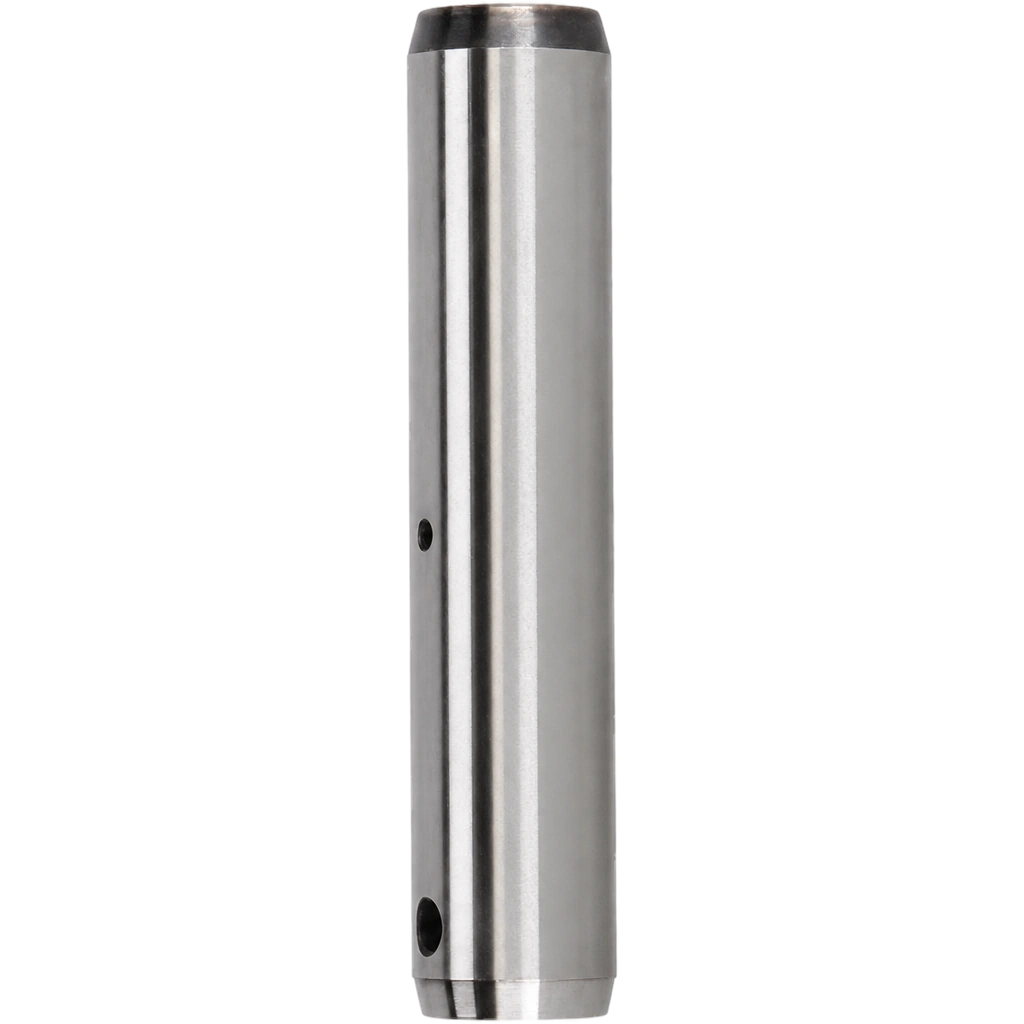
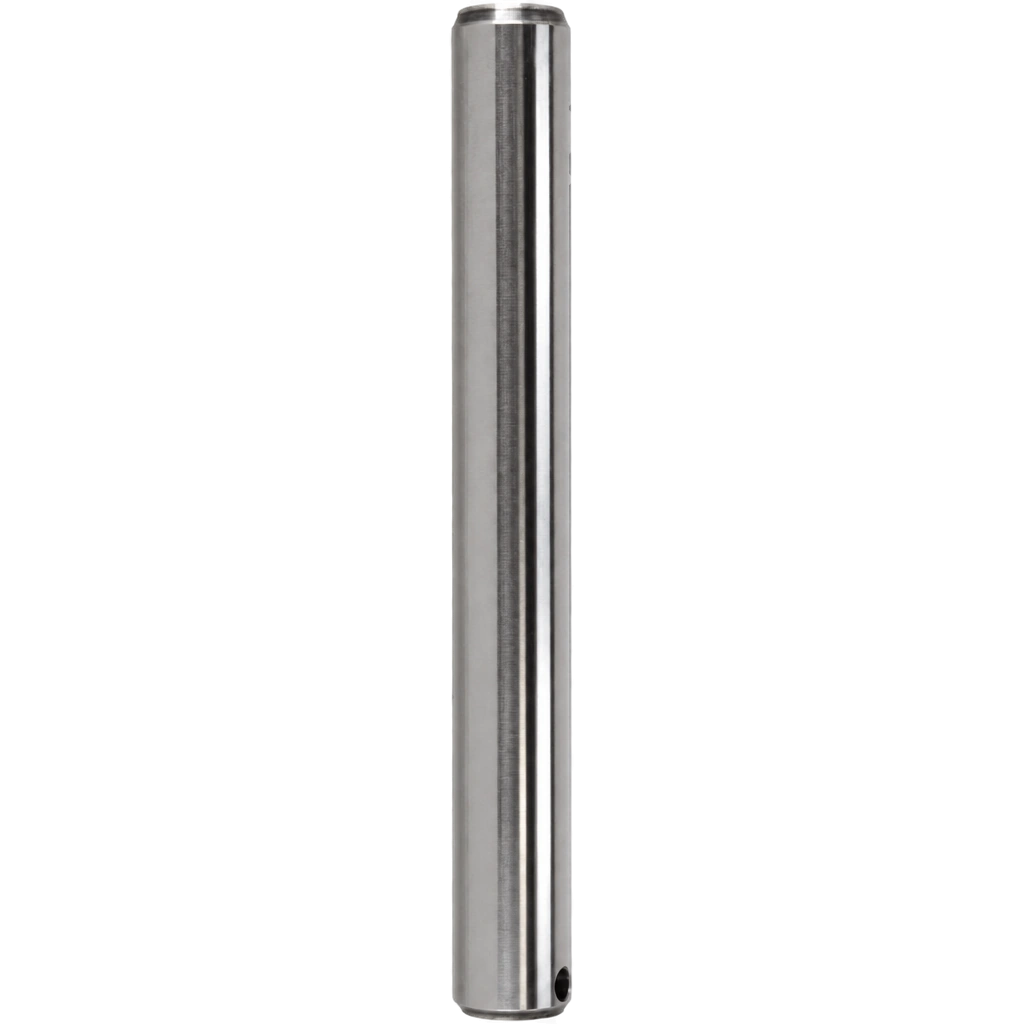
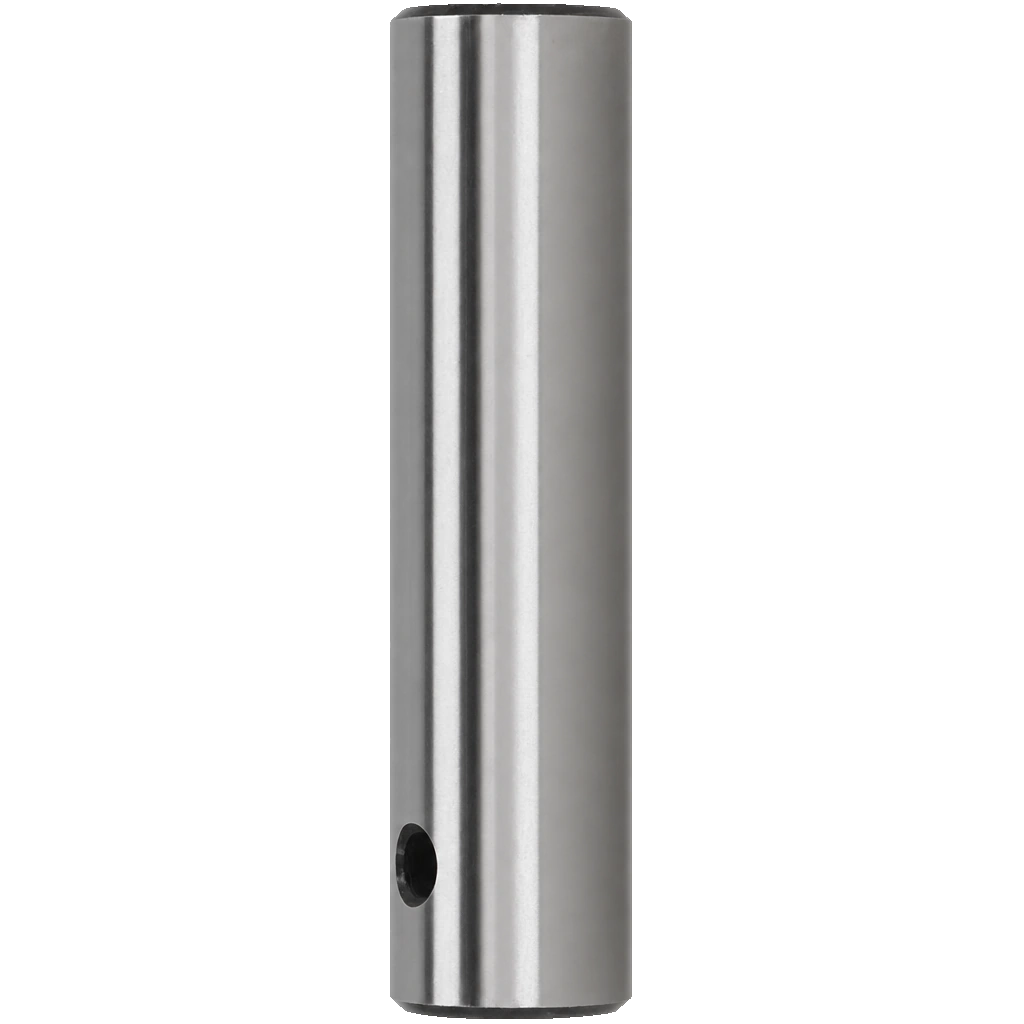
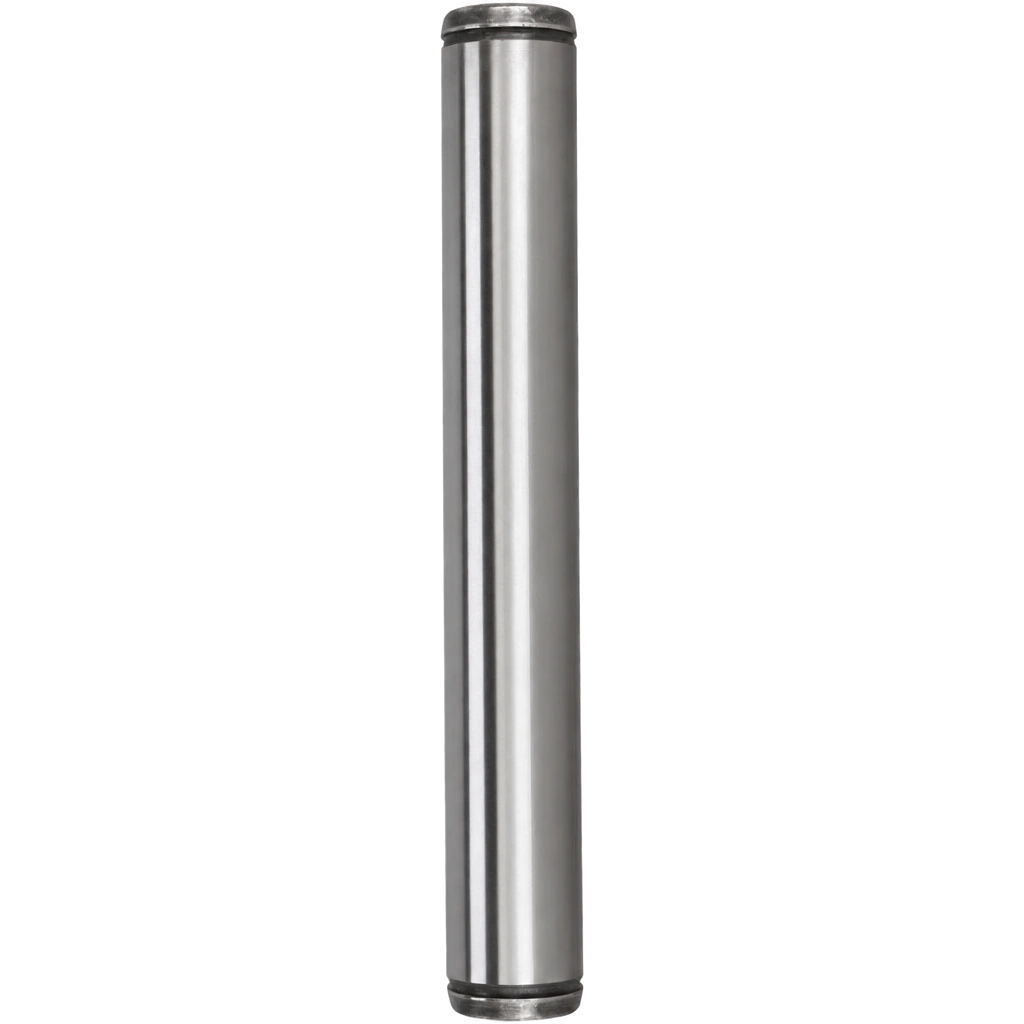
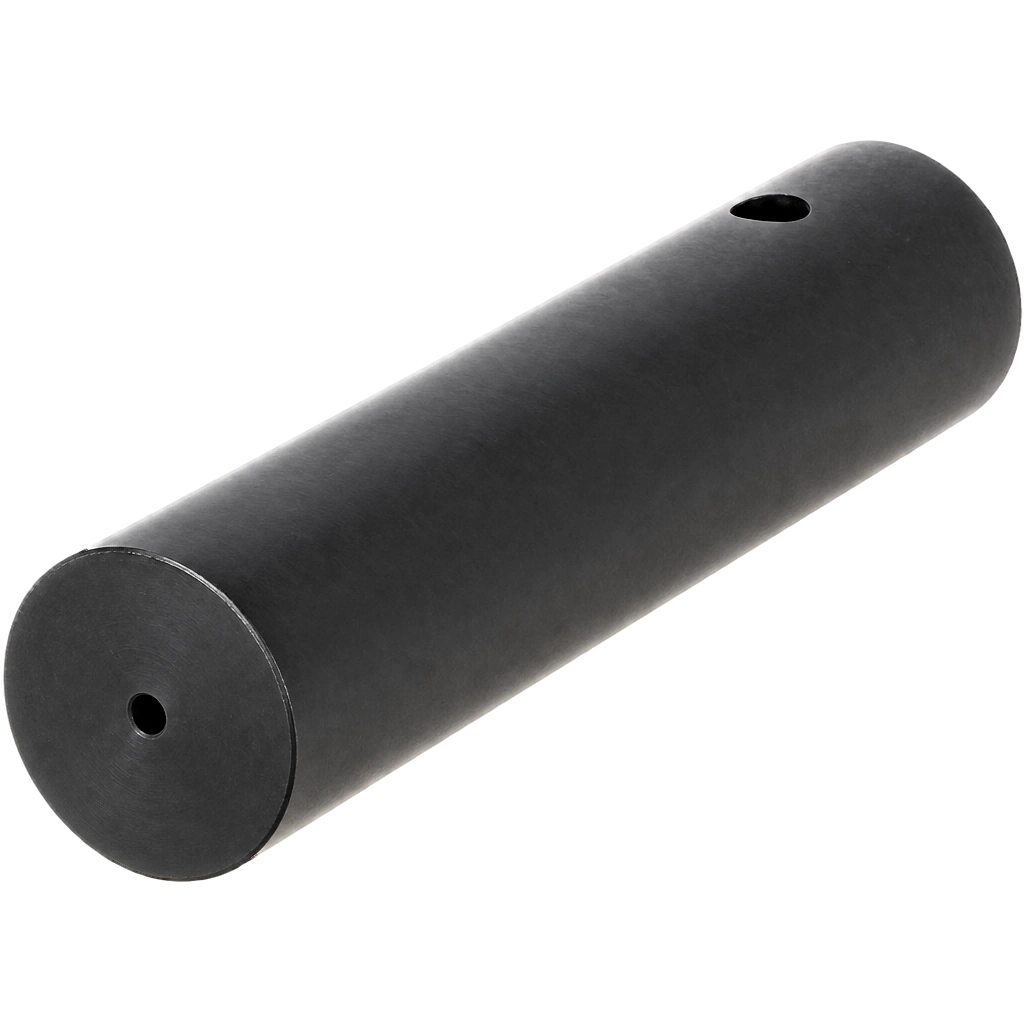
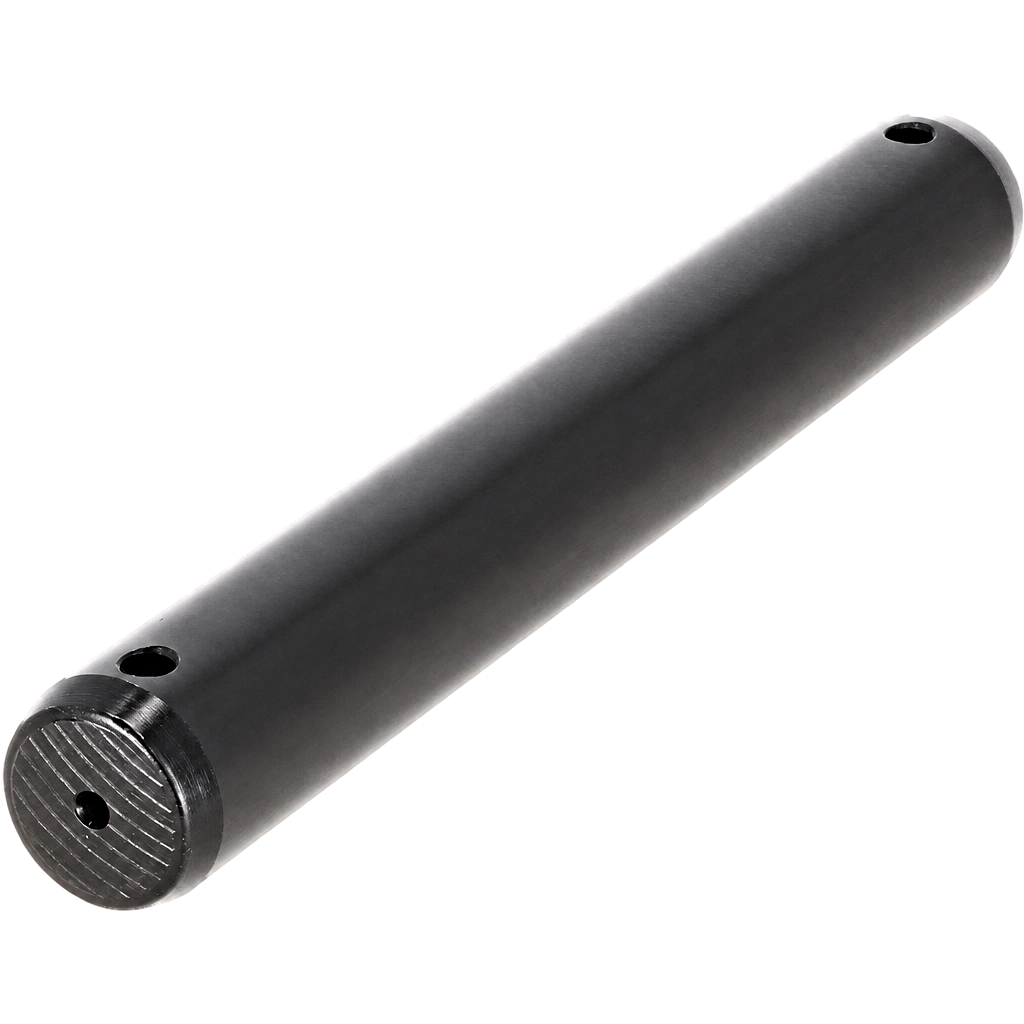
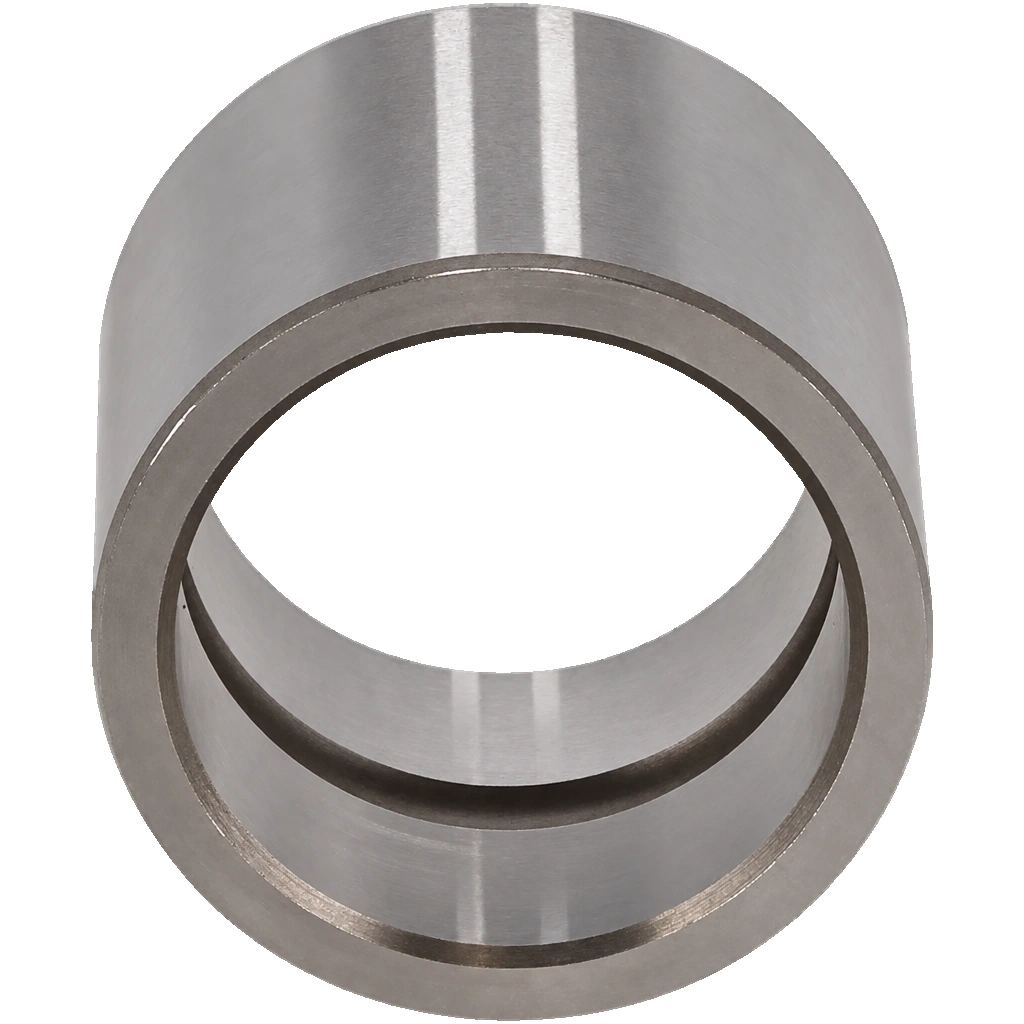
Product photographs are shown for visual reference. The specifications above are the CORESPEX pin specifications.
Product B — CORESPEX Bushings
Precision fit. Superior wear resistance.
CORESPEX bushings are made in steel, bronze, brass, engineering polymers and layered composites — the material is chosen for the duty, not the other way round.
Controlled heat treatment where the material allows it, precision grinding and bore finishing support durability, wear resistance and a consistent fit when paired with CORESPEX pins.
| Parameter | Specification |
|---|---|
| Material | Steel, bronze, brass, engineering polymers and layered composites |
| Hardness and layer depth | Specified by material, heat-treatment route and drawing |
| Steel bushings — heat treatment | Hardening, carburizing, or nitriding, as specified |
| Finishing | Precision grinding or bore honing, as specified |
| Protection | Anti-corrosion treatment for steel parts |
Example configuration — hardened steel bushings: 45–50 HRC for backhoe loaders and 50–55 HRC for excavators, hardened layer depth 0.7–0.8 mm. These values apply to those steel configurations only — never to bronze, brass, polymer or bimetal bushings.
Bushing material families
Hardened steel
Steel bushings hardened, carburised or nitrided to suit the duty: a strong, wear-resistant running surface over a tough core.
Bronze
Solid, wrapped or sintered bronze, for example CuSn8 or CuSn12 as typical families. Not every bronze bushing is maintenance-free — lubrication is part of the design.
Brass and copper alloys
Selected bearing-grade brass and copper alloys where the application and counter-surface call for them.
Engineering polymers
PA6 and PA66 (including cast PA6) and POM. Fit takes moisture, temperature, load and lubrication into account; not every polymer is self-lubricating.
Steel-backed bronze (bimetal)
A steel backing for structural strength with a bronze sliding layer; lubrication pockets or grooves can be machined into the sliding surface.
Metal-polymer composites
A supporting backing with a distinct low-friction lining such as PTFE or POM, chosen for load, speed and environment.
Examples are illustrative. Material, condition and dimensions are agreed per drawing and duty. The steel hardness values above do not describe bronze, brass, polymer or layered bushings.
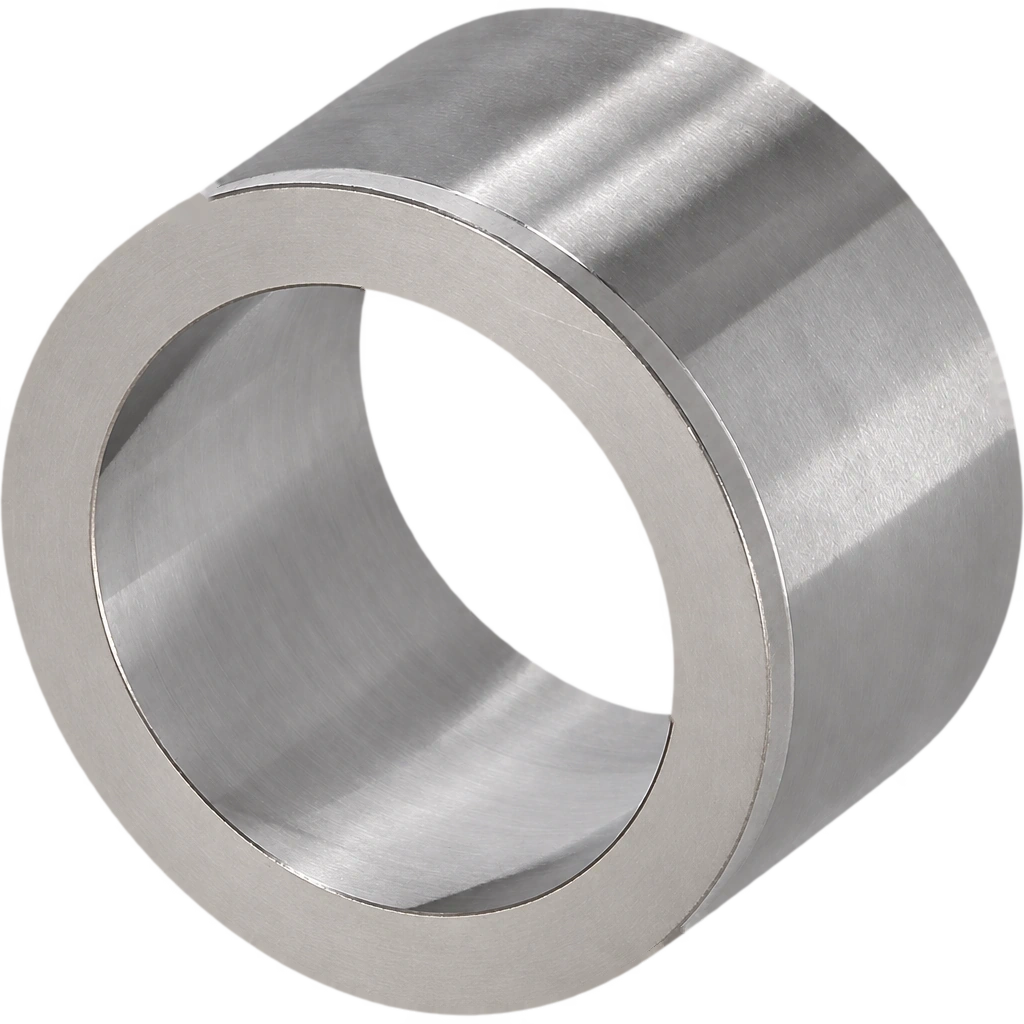
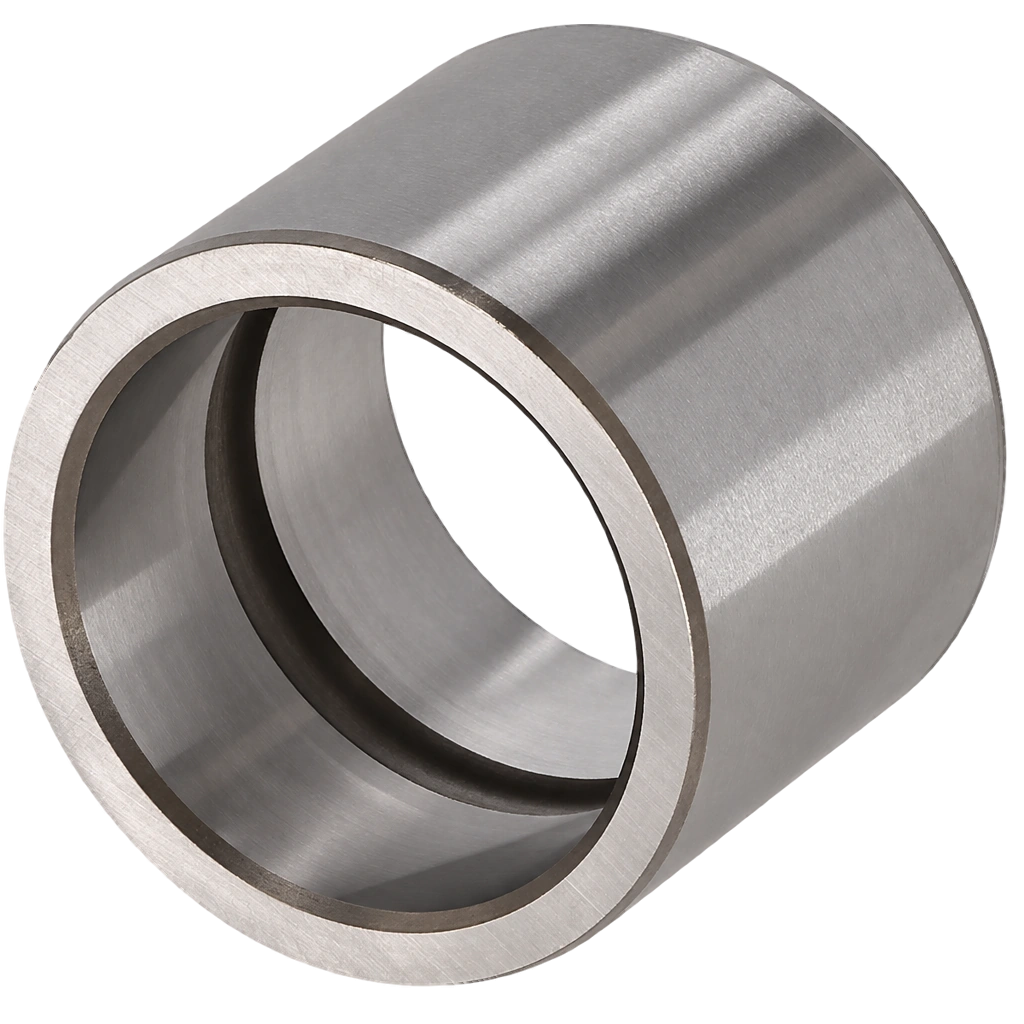
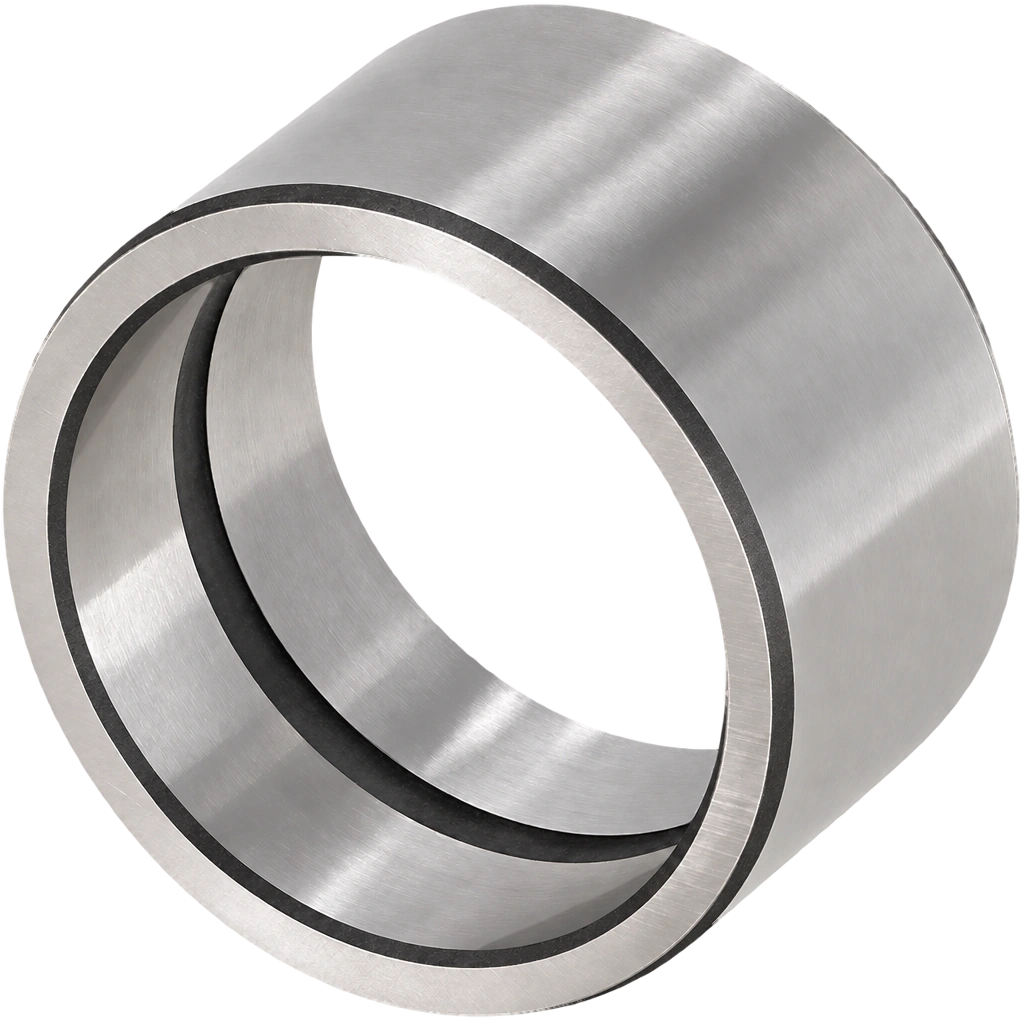
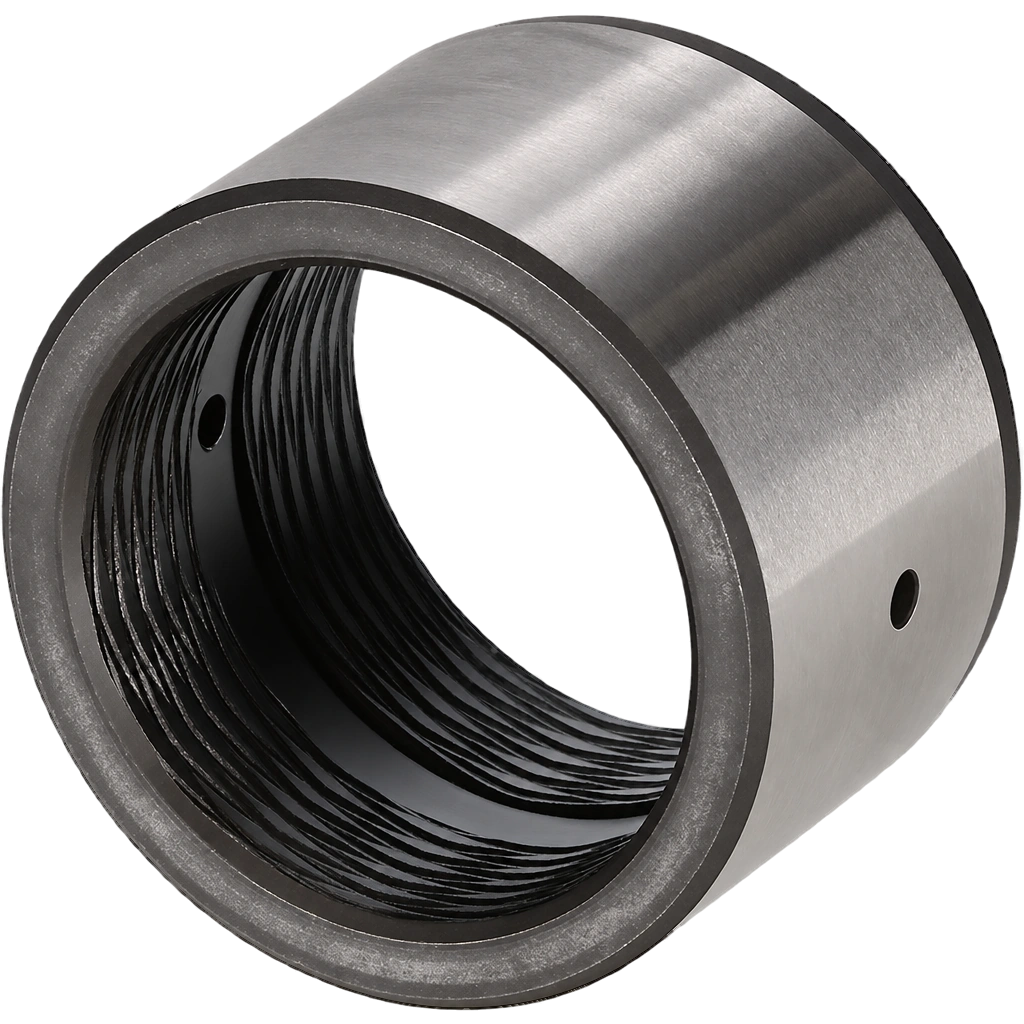
Steel bushings — selected photographs
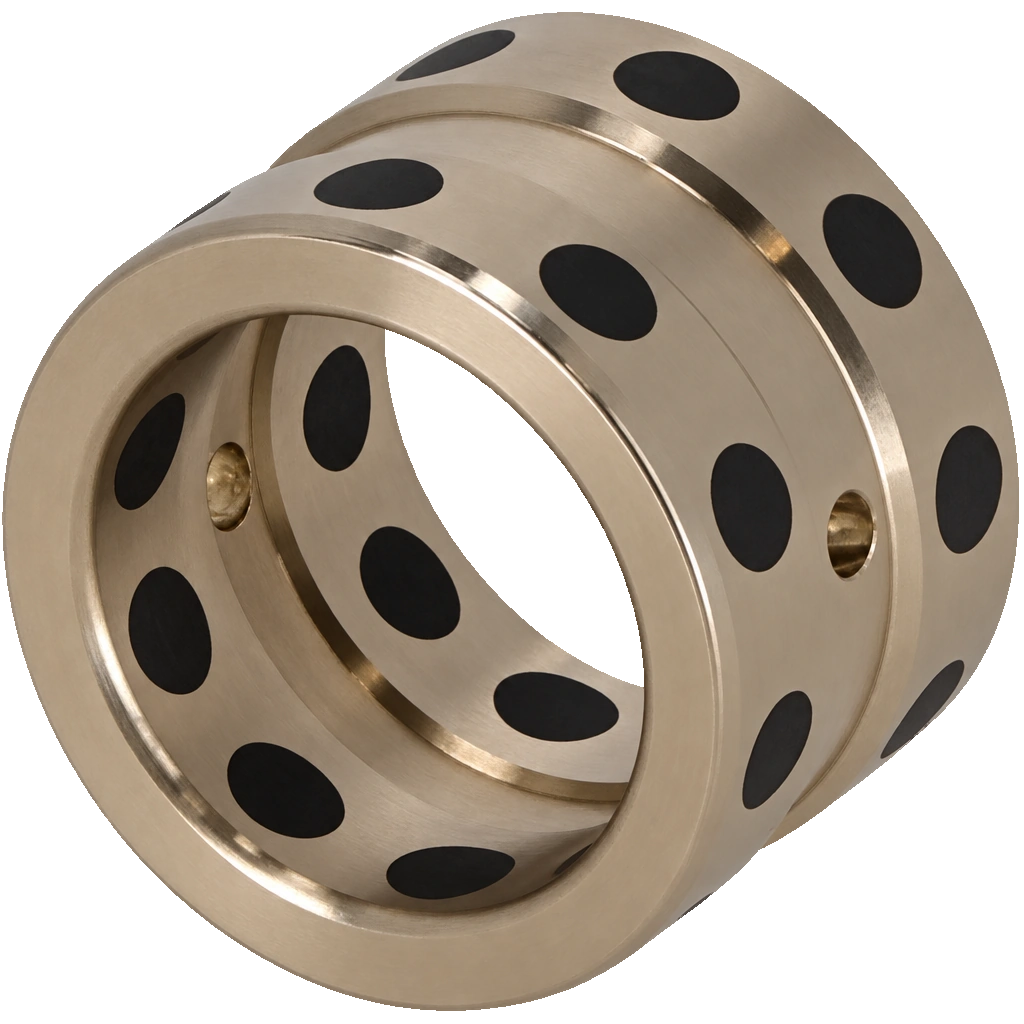
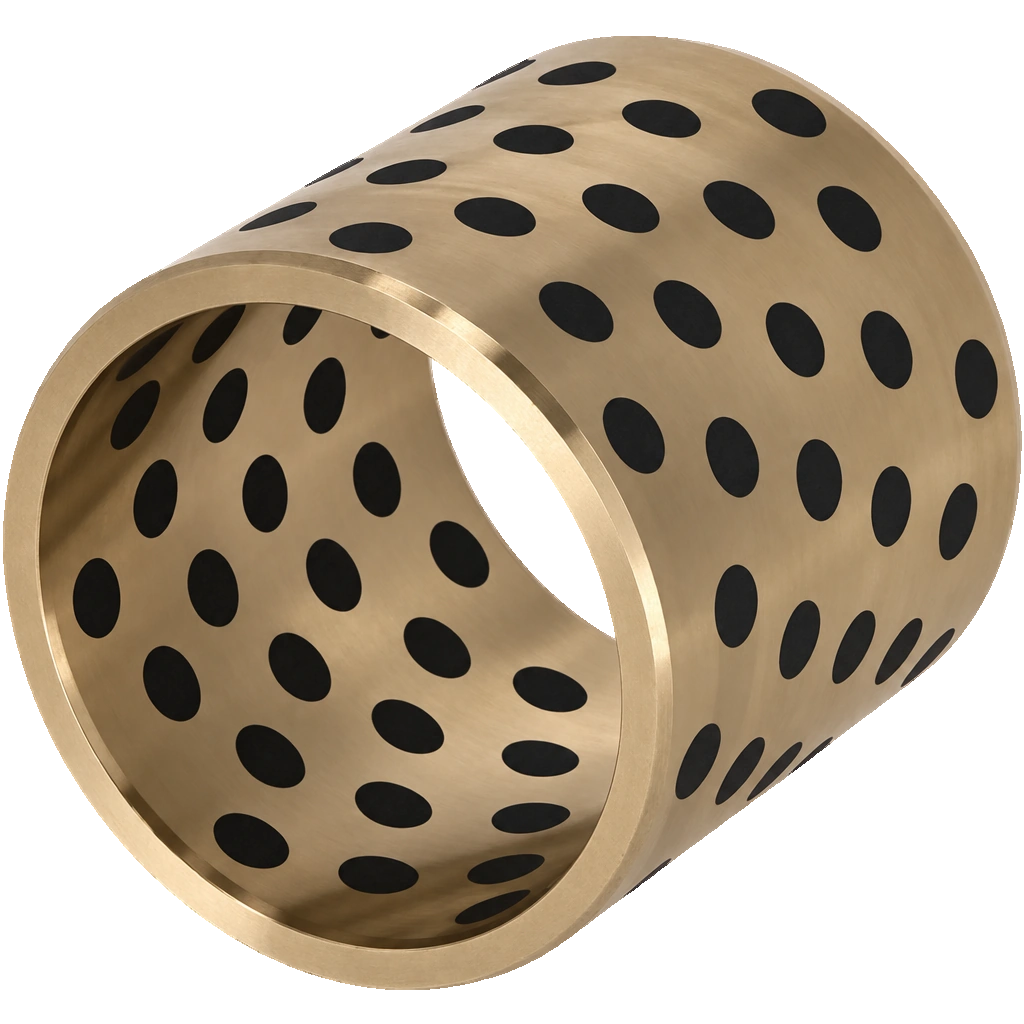
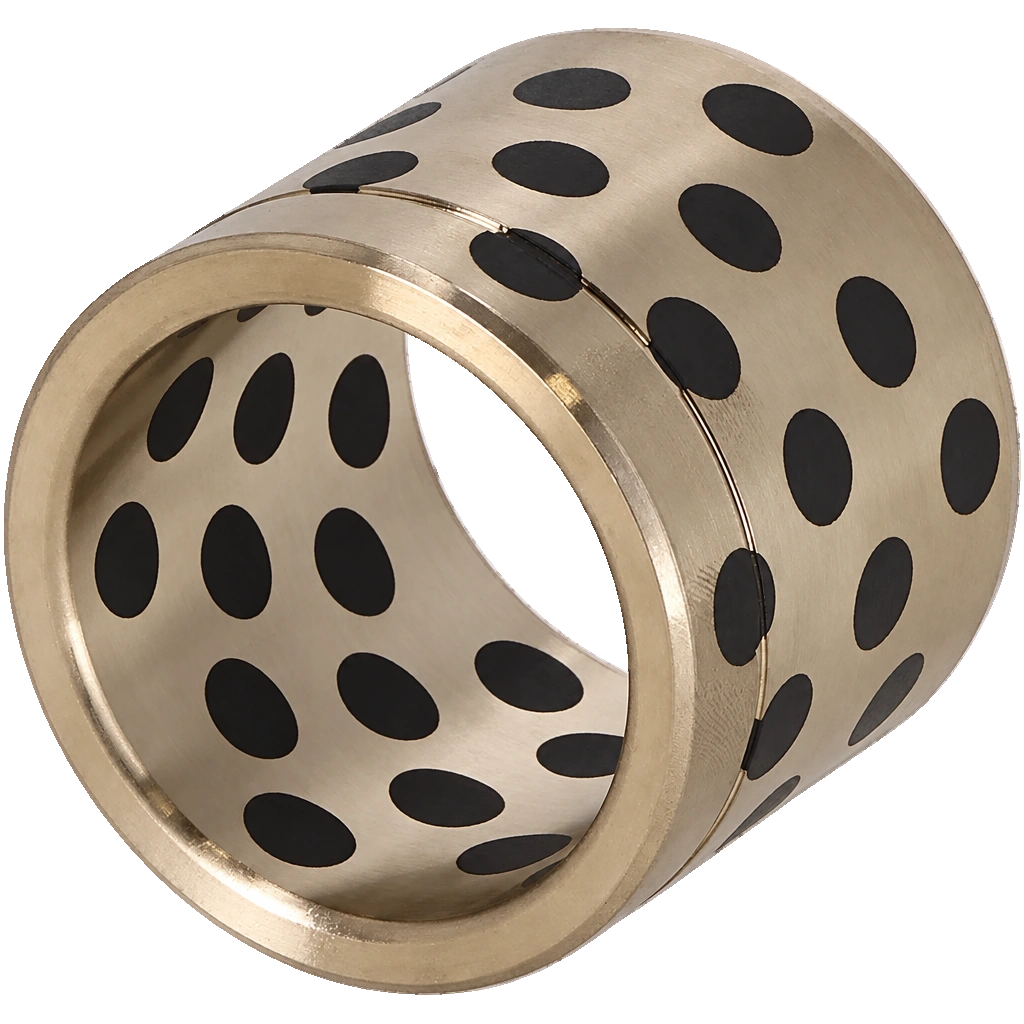
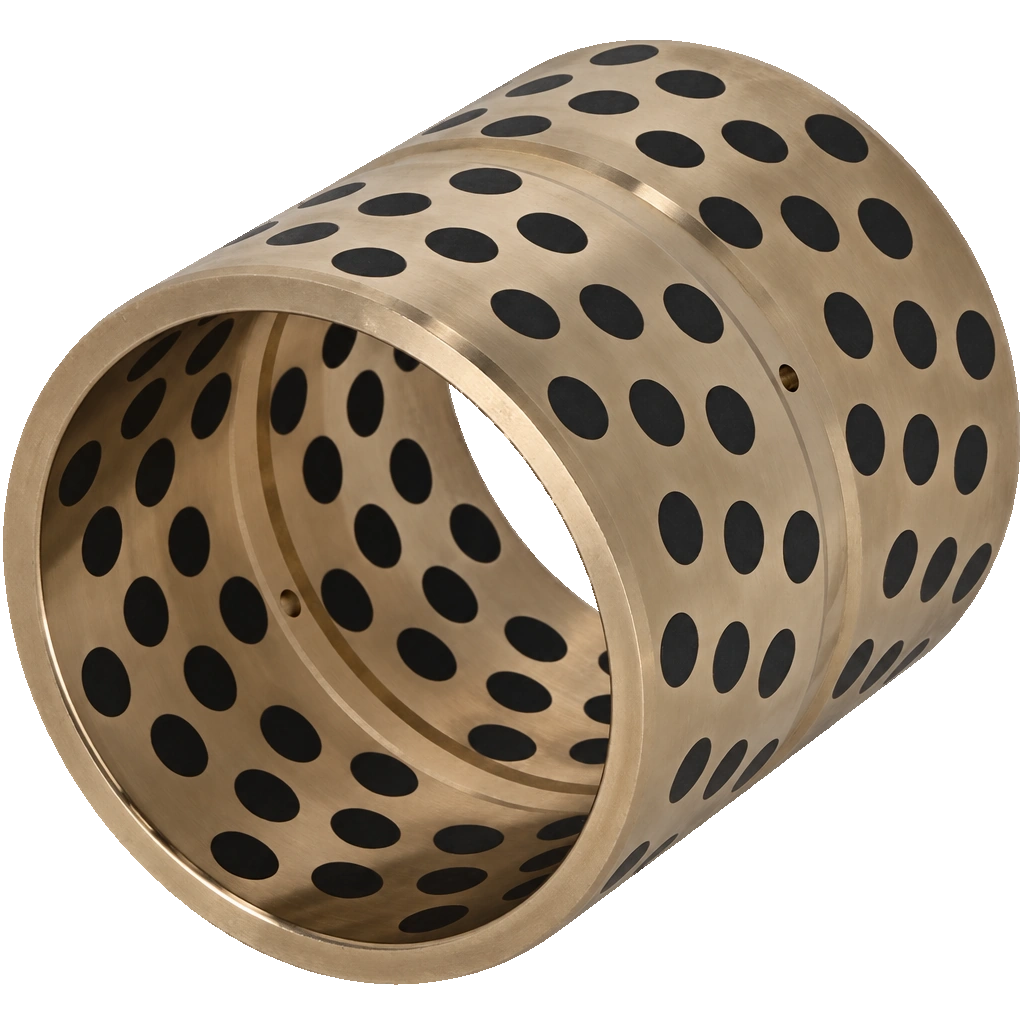
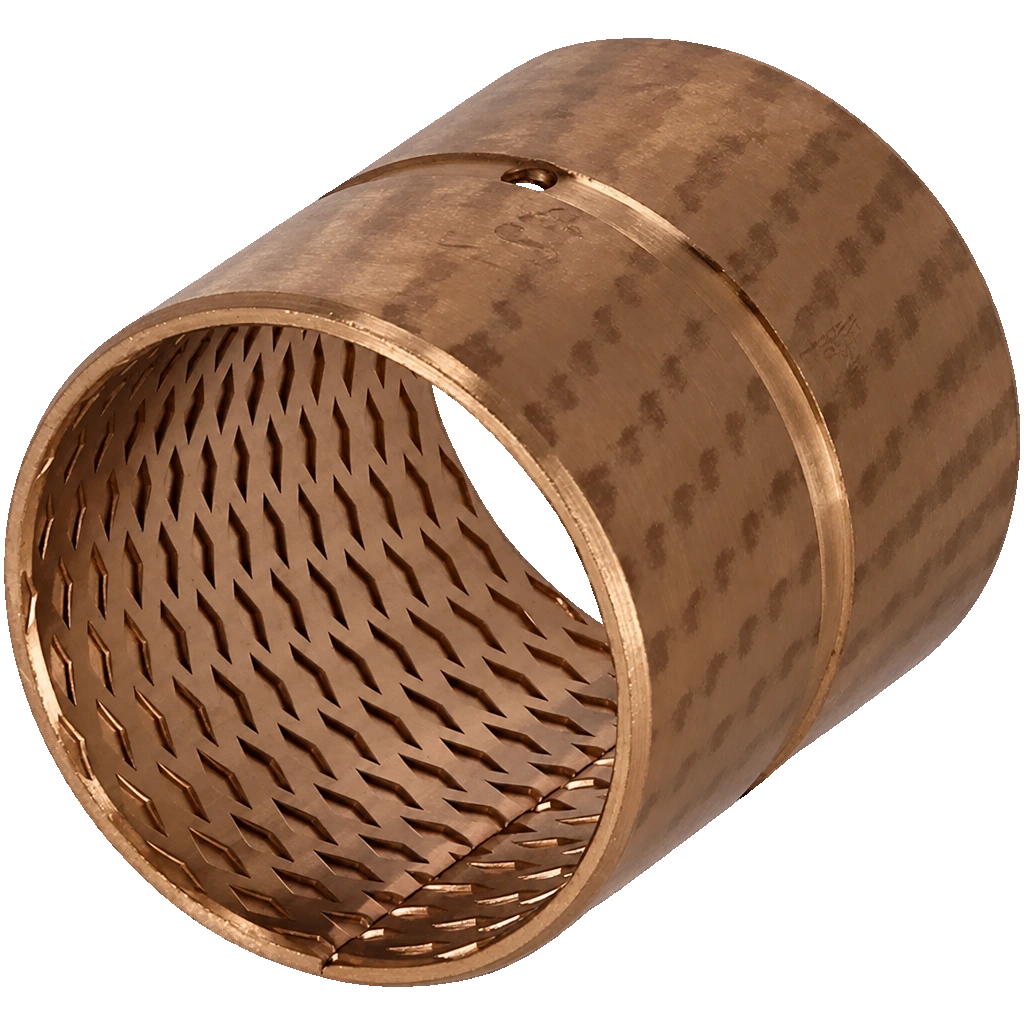
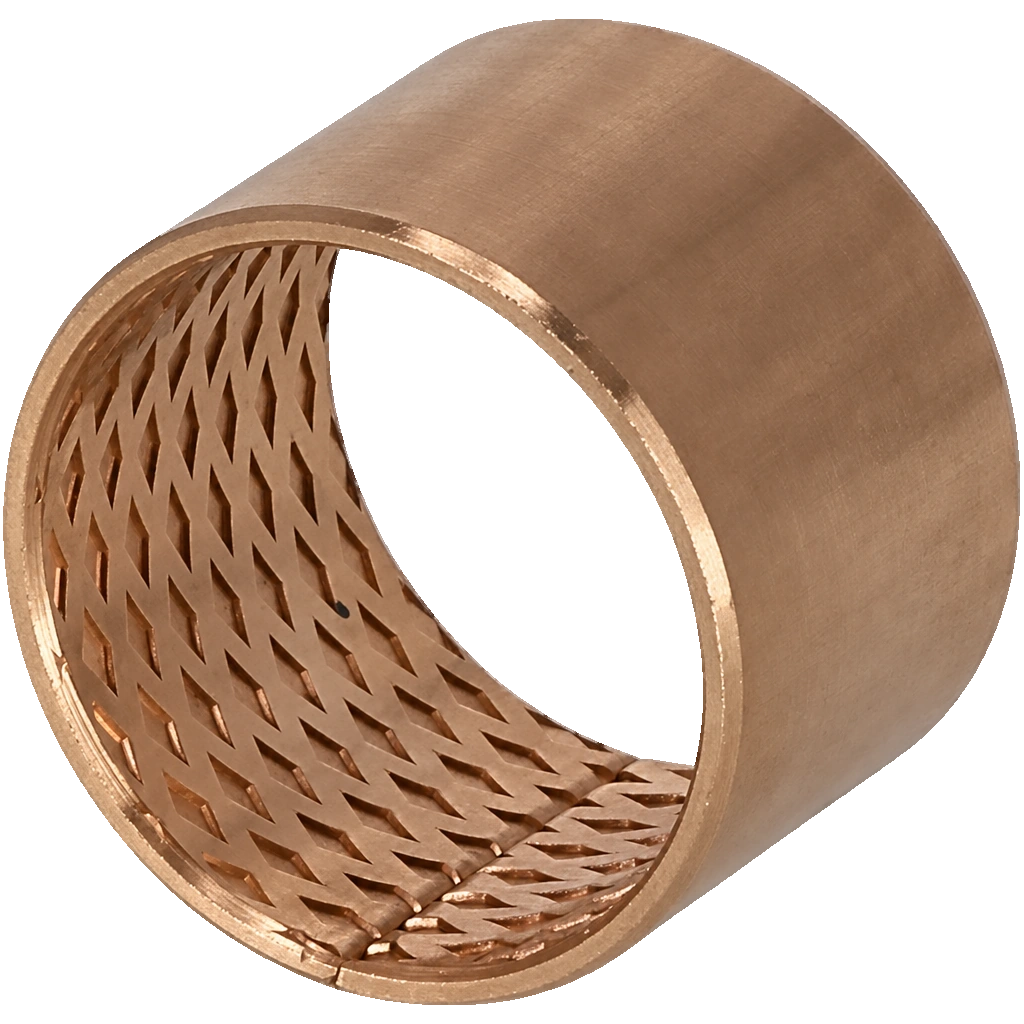
Bronze and graphite-lubricated variants
These bushing variants are shown for reference only. The steel hardness and layer-depth values above are not stated for these variants.
Product explainer
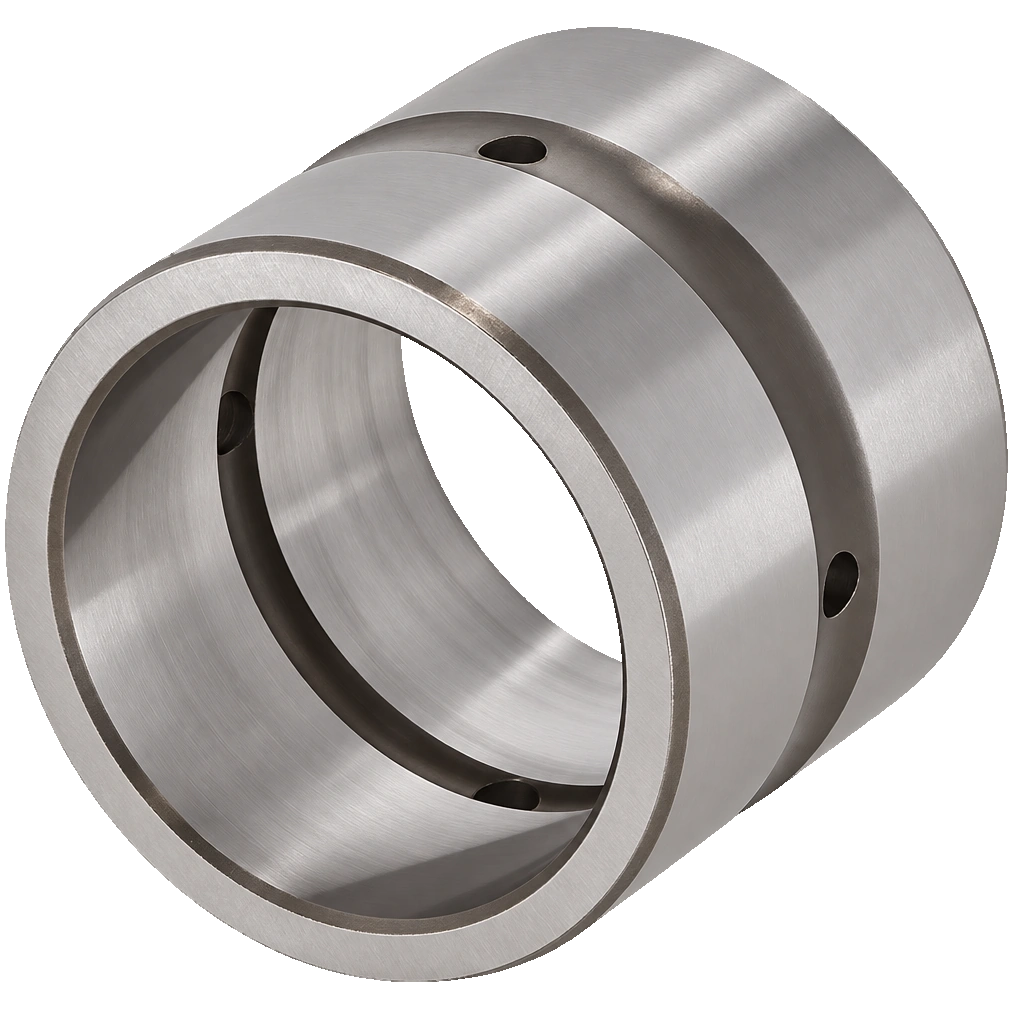
Look closer at the bushing.
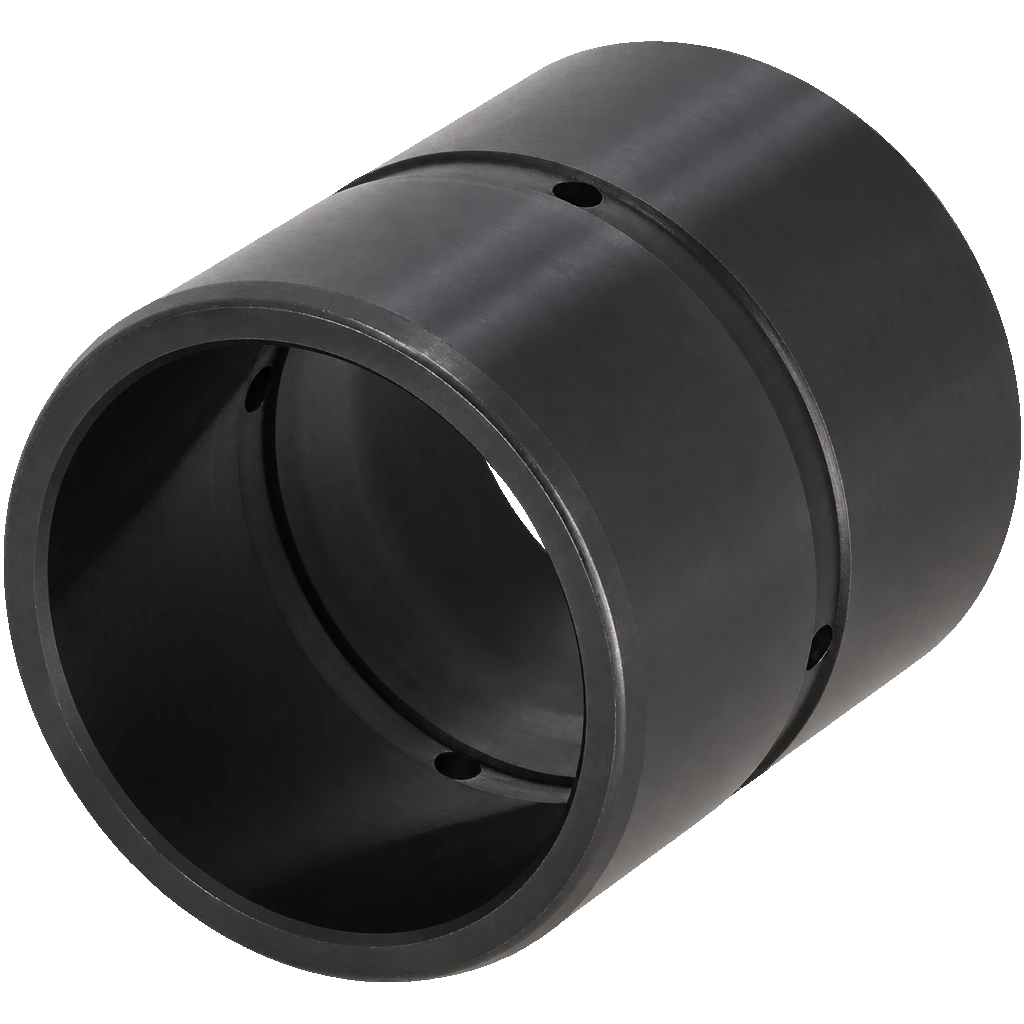
The circumferential groove and the radial holes work together: the groove helps spread grease around the bushing, and the holes carry it through the wall to the bore.
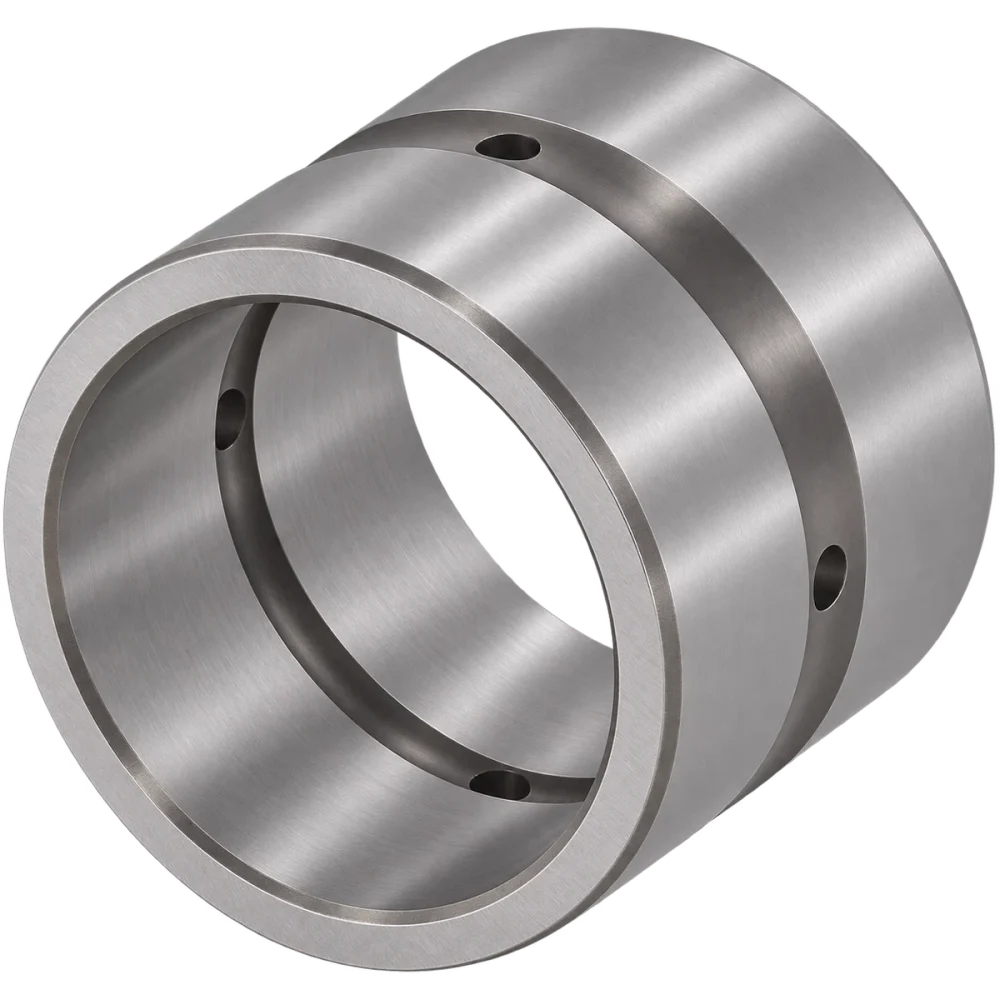
- Radial lubrication holes — Allow grease to pass through the bushing wall to lubricate the bore.
- Circumferential lubrication groove — Helps distribute grease around the bushing and feed it through the lubrication holes to the bore.
- Machined end face — a flat, machined end face with a chamfered edge.
Select a numbered point on the bushing, or read the feature list, to see what each detail shows.
03 — Engineering & manufacturing
Engineered with precision.
01
Material Selection
Carbon, alloy and case-hardening steels, bronze, brass, engineering polymers and layered composites — selected per application, duty and drawing for strength, wear resistance and fit.
02
Precision CNC Machining
Precision turning, boring, grooving and drilling to achieve consistent dimensions and accurate component fit. Polymer parts are machined and conditioned for fit.
03
Advanced Heat Treatment
Steel components follow the route their specification calls for: quenching and tempering, induction surface hardening or carburising (each followed by the quench and temper the specification requires), or nitriding and nitrocarburising, which are diffusion routes with no later hardening quench. These processes apply to suitable steels only — not to bronze or polymers.
04
Precision Finishing & Protection
Controlled grinding and bore honing where specified, bimetal bearing-layer construction and calibration, and anti-corrosion protection for steel parts. Dimensions, surface, hardness and case depth are inspected according to the specified route.
Process routes
Every part follows the route its material and drawing require — not every product uses every process. Select a route to see how it works.
Carburising & case hardening
For suitable case-hardening steels such as 16MnCr5 or 20MnCr5: carbon diffuses into the surface at temperature, then the part is quenched and tempered to give a hard case over a tough core. Case depth and hardness are defined per drawing.
- Heat in a carbon-rich atmosphere
- Carbon diffuses into the surface
- Quench
- Temper: hard case, tough core
Nitriding & nitrocarburising
Diffusion routes in which nitrogen, and carbon in nitrocarburising, enters the steel surface at a lower temperature than carburising, forming a hard, wear-resistant surface layer. They are distinct from carburising and from induction hardening.
- Load into a sealed chamber
- Nitrogen diffuses into the surface
- Cool in a controlled atmosphere: thin hard layer, no quench
Grinding & honing
Cylindrical grinding refines the outer diameter of pins; honing finishes the bore of bushings with a controlled cross-hatch. Both are applied where the specification calls for them.
- Cylindrical grinding of the pin surface
- Honing the bushing bore: rotating and reciprocating stones, crosshatch finish
Bimetal bearing layer
A steel backing provides structural strength; a bronze sliding layer is sintered or bonded to it, then compacted and calibrated, and lubrication pockets or grooves can be machined into the sliding surface. Metal-polymer bushings use a distinct low-friction lining instead.
- Prepared steel strip
- Bronze powder spread evenly
- Sintering furnace: metallurgical bond
- Roll compaction, then re-sinter
- Cut and form into a bushing
- Calibrate, finish and add lubrication pockets
04 — Why CORESPEX
Performance without compromise.
01
Exceptional Durability
Engineered to withstand intensive use and heavy loads.
02
Precision Engineering
Advanced CNC machining and strict dimensional control.
03
Advanced Heat Treatment
Optimized balance of hardness, strength, and toughness.
04
Quality Control
Careful inspection of materials and manufacturing parameters.
05
Reliable Performance
Components designed for demanding working environments.
05 — Applications
Built for demanding industries.
Construction Machinery
Components designed for excavators, backhoe loaders, and other heavy construction equipment.
Mining Equipment
Wear-resistant components suited to demanding heavy-duty machinery applications.
Industrial Machinery
Precision pins and bushings for industrial equipment and mechanical assemblies.
Strength. Precision. Reliability.
CORESPEX — DURABILITY YOU CAN TRUST.
Pins and bushings built for the toughest jobs.
06 — Business inquiries
Contact us to get offer
Interested in CORESPEX pins and bushings? Contact us for product information, technical specifications, and business inquiries.
Sales